


Medical Packaging Bags: Popular Types, Materials & Practical Buying Guide for Healthcare
Medical Packaging Bags are essential products used in the healthcare industry to protect medical devices, instruments, pharmaceuticals, and other healthcare supplies during storage, transportation, and sterilization. Unlike ordinary packaging, medical packaging must meet stricter requirements for cleanliness, protection, and product integrity. From surgical instruments to disposable medical products, suitable packaging helps prevent contamination, moisture exposure, and damage while maintaining product safety throughout the supply chain.
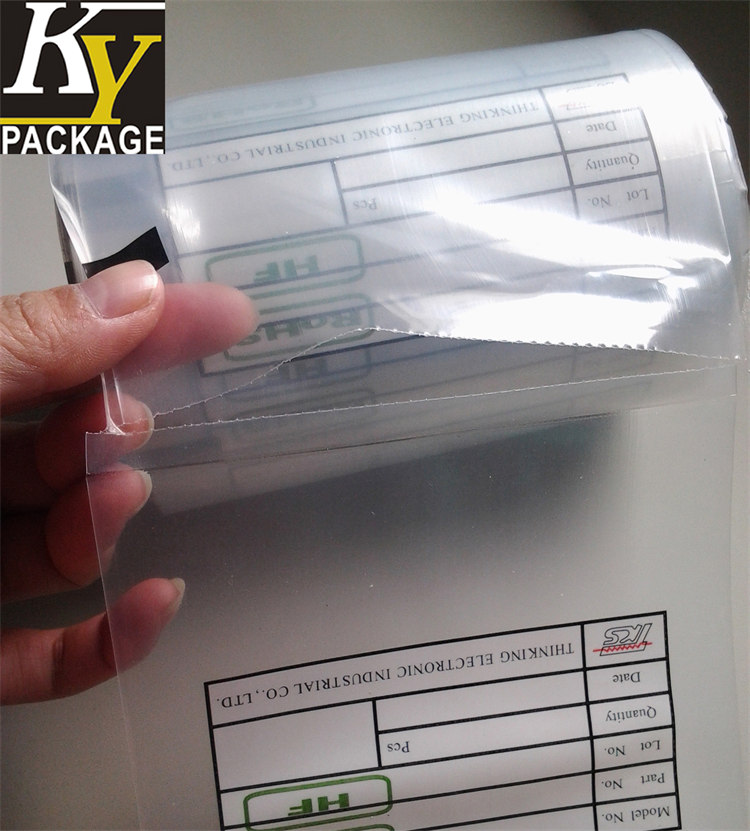
What Are Medical Packaging Bags?
Medical Packaging Bags are specially designed packaging solutions used for medical and healthcare products. They are manufactured with materials that provide protection against external factors such as dust, microorganisms, moisture, and physical damage.
Depending on the application, medical packaging bags can be designed for:
The main purpose of medical packaging is not only to contain products but also to maintain cleanliness and safety until the package is opened.
Why Are Medical Packaging Bags Important?
Maintaining Product Sterility
Many medical products require sterile conditions before use. Medical packaging bags help create a protective barrier that reduces the risk of contamination during storage and transportation.
Protecting Sensitive Medical Products
Medical supplies may be affected by moisture, dust, oxygen, or physical impact. Proper packaging helps maintain product quality and extends storage stability.
Supporting Safe Healthcare Operations
Well-designed medical packaging allows healthcare workers to identify, handle, and open products efficiently while reducing unnecessary risks.
Common Types of Medical Packaging Bags
Sterilization Pouches
Sterilization pouches are widely used for surgical instruments and medical tools. They are designed to withstand sterilization processes while maintaining a sealed sterile environment.
Common features include:
Vacuum Medical Bags
Vacuum medical bags remove air from the package to help protect products from moisture, oxidation, and external contamination.
They are often used for:
Biohazard Medical Bags
Biohazard bags are designed for the collection and transportation of medical waste or potentially contaminated materials.
They usually feature:
Pharmaceutical Packaging Bags
These bags are used for protecting medicine-related products, powders, samples, and healthcare materials that require controlled packaging conditions.
Materials Used for Medical Packaging Bags
The choice of material affects barrier performance, durability, and application suitability.
| Material | Characteristics |
|---|---|
| Polyethylene (PE) | Flexible, moisture-resistant, and commonly used for general medical packaging |
| Polypropylene (PP) | Good clarity, chemical resistance, and suitable for various medical applications |
| PET Film | Provides strength and dimensional stability |
| Medical Paper | Allows sterilization gas penetration while maintaining a protective barrier |
| Composite Films | Combine multiple materials for improved barrier performance |
Key Features of High-Quality Medical Packaging Bags
Strong Barrier Protection
Medical packaging bags should provide protection against moisture, particles, and external contamination to help maintain product safety.
Reliable Sealing Performance
A secure seal prevents accidental opening and helps preserve the package condition during handling and transportation.
Compatibility with Sterilization Methods
Some medical packaging bags are designed to work with sterilization methods such as steam, ethylene oxide (EO), or radiation sterilization.
Clear Product Visibility
Transparent film sections allow healthcare professionals to check product information and packaging condition without opening the package.
Applications of Medical Packaging Bags
Hospitals and Clinics
Medical packaging bags are widely used for storing and transporting:
Pharmaceutical Industry
Pharmaceutical manufacturers use specialized packaging bags to protect products during production, storage, and distribution.
Laboratories and Research Facilities
Laboratory environments require reliable packaging for samples, testing materials, and research-related supplies.
How to Choose Suitable Medical Packaging Bags?
Consider the Product Requirements
The packaging should match the characteristics of the medical product, including size, sensitivity, and storage conditions.
Check Barrier Performance
Different applications require different levels of protection against moisture, oxygen, and contamination.
Evaluate Sterilization Compatibility
If sterilization is required, the packaging material should be suitable for the selected sterilization method.
Review Packaging Standards
Medical packaging should follow applicable industry requirements related to safety, cleanliness, and quality control.
Common Problems with Medical Packaging Bags
Seal Failure
Poor sealing may affect package protection. Proper sealing temperature, pressure, and material selection are important factors.
Material Damage
Punctures or tears can reduce packaging effectiveness, especially during transportation.
Improper Storage
Exposure to excessive heat, humidity, or sunlight may affect packaging performance over time.
Future Development Trends of Medical Packaging Bags
Eco-Friendly Materials
The medical packaging industry is exploring recyclable and lower-impact materials while maintaining necessary protection performance.
Smart Packaging Technology
Some medical packaging solutions are integrating tracking labels, indicators, and monitoring technologies for better product management.
Customized Packaging Solutions
As medical products become more specialized, customized packaging designs are becoming increasingly common to meet different protection requirements.
Frequently Asked Questions About Medical Packaging Bags
What are medical packaging bags used for?
They are used to protect medical devices, instruments, pharmaceuticals, and healthcare supplies from contamination and damage.
Can medical packaging bags be sterilized?
Some medical packaging bags are designed for sterilization processes, depending on their material structure and application.
What materials are commonly used for medical packaging bags?
Common materials include PE, PP, PET film, medical paper, and multi-layer composite films.
Why is sealing important for medical packaging?
A reliable seal helps maintain package integrity and protects the contents during storage and transportation.
Final Thoughts
Medical Packaging Bags play an important role in protecting healthcare products and maintaining product safety throughout storage and transportation. With different materials, structures, and designs available, these bags can meet various requirements in hospitals, pharmaceutical production, and laboratory environments.
Understanding the types, materials, and applications of medical packaging bags helps users select suitable packaging solutions for different healthcare needs.
Send Inquiry



X
We use cookies to offer you a better browsing experience, analyze site traffic and personalize content. By using this site, you agree to our use of cookies.
Privacy Policy