


Why BOPP Packaging Bags Are Becoming the Preferred Choice for Modern Industrial Packaging
In the world of modern commerce, packaging is no longer just a container—it is a statement. Among the myriad options available, the BOPP plastic packaging printing bag has emerged as a cornerstone of industrial and retail packaging. But what exactly makes this bag so special? This article delves into the "How," "Why," and "What" dimensions, exploring the technology, advantages, and market dynamics behind BOPP bags.
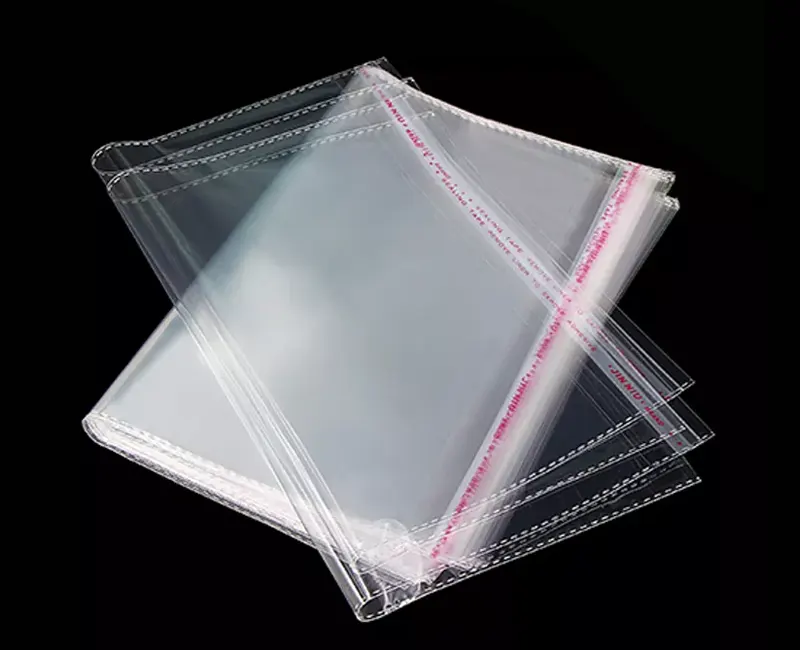
The "How" – Manufacturing Process and Technical Analysis
To truly understand the BOPP bag, one must first journey into its production process—a marvel of modern polymer materials engineering.
1. The Birth of the Material: What is BOPP?
BOPP stands for Biaxially Oriented Polypropylene film. Unlike ordinary polypropylene (PP), BOPP film is stretched in both the machine direction and the transverse direction during production. This biaxial orientation significantly enhances the film's strength, stiffness, clarity, and barrier properties.
2. Multi-Layer Composite Structure
A typical BOPP bag is a multi-layer composite material, with each layer meticulously designed to achieve optimal performance:
-
Base Fabric Layer (Woven Cloth): PP pellets are first extruded into flat yarns, which are then woven on circular looms to create a sturdy woven fabric substrate. This provides the bag with high tensile strength and load-bearing capacity (typically supporting 5 kg to 75 kg of weight).
-
Printed Film Layer: Simultaneously, the BOPP film is fed into the printing process. Using reverse rotogravure printing technology with engraved cylinders, up to 8 colors can be precisely registered, ensuring sharp patterns and vibrant colors.
-
Lamination Process: The printed BOPP film is firmly bonded to the PP woven fabric through an extrusion lamination process. This step unifies the decorative layer with the substrate layer, forming an integrated structure that is both aesthetically pleasing and protective.
-
Post-Processing: Finally, the laminated roll undergoes cutting, bag-making, gusseting, and bottom stitching (single or double fold). Additional features such as handles, perforations, or inner liners (PE or LDPE for enhanced moisture protection) can be added as needed.
The "Why" – Core Advantages Over Traditional Packaging
Why are industries ranging from agriculture to retail shifting toward BOPP bags? The answer lies in their comprehensive performance leap compared to traditional PP woven bags.
1. Superior Strength and Protective Performance
While traditional PP bags are durable, BOPP woven bags offer higher mechanical stability. They better withstand impacts during handling, stacking, and long-distance transportation, resisting tearing or deformation under heavy loads. More importantly, their laminated structure provides excellent moisture resistance, dustproofing, and oxygen barrier properties, making them ideal for sensitive materials such as rice, flour, fertilizers, and chemical raw materials.
2. Outstanding Printability and Brand Empowerment
This is the most prominent highlight of BOPP bags compared to traditional products. Conventional PP woven bags can only achieve low-resolution, color-limited basic printing. In contrast, the smooth and flat surface of BOPP film is perfectly suited for high-quality graphic output—sharp images, rich colors, and fine details. As industry manufacturers have remarked: "The BOPP bag is a novel, attractive, and advanced bulk packaging concept, whose outstanding presentation adds value to your brand."
3. Environmental Friendliness and Economic Efficiency
BOPP film has a low density, meaning that each kilogram of material covers a larger packaging area, enabling downgauging (material reduction) compared to other polymers, thereby saving costs. Additionally, these bags are 100% recyclable and reusable, aligning with the mainstream direction of global sustainable development.
| Comparison Dimension | Traditional PP Woven Bag | BOPP Laminated Woven Bag |
|---|---|---|
| Strength Performance | Standard level, prone to deformation under heavy loads | High stability, maintains form during stacking and transport |
| Moisture/Barrier Properties | Poor, limited protection | Excellent, effectively blocks moisture, dust, and air |
| Print Quality | Basic level, limited in color and detail | High definition, up to 8 colors, vibrant graphics |
| Environmental & Economic | Basically recyclable | Recyclable, reusable, supports downgauging for cost savings |
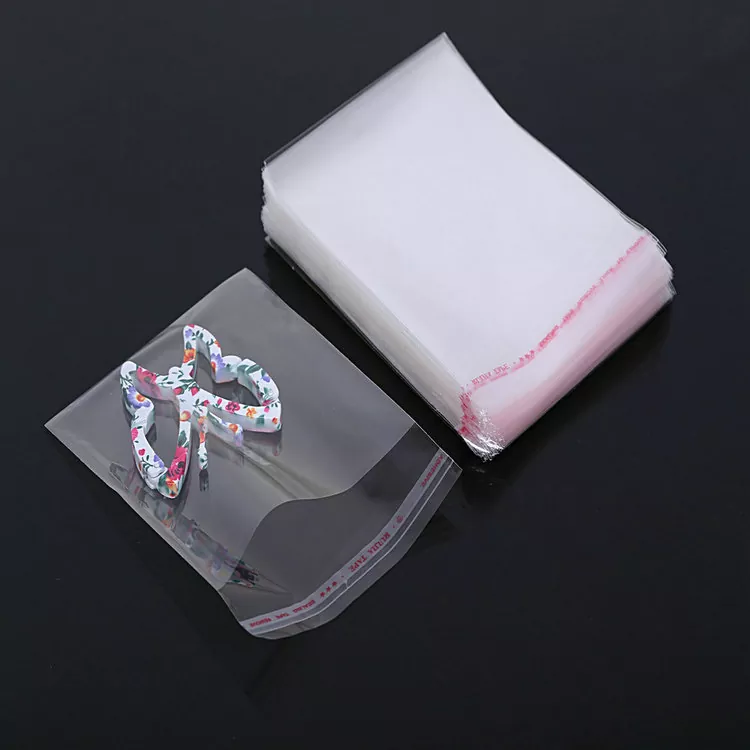
The "What" – Market Applications and Future Outlook
The broad applicability of BOPP bags makes them a global commodity, and the market is in a phase of rapid growth.
1. Market Size and Growth Trends
In 2024, the global BOPP laminated woven bag market was valued at approximately USD 1,001.1 million, and is expected to continue expanding at a compound annual growth rate of 5.50%. In the broader BOPP film sector, the market size is projected to grow from US$20 billion to US$30 billion by 2031. Among regions, the Asia-Pacific region serves as the primary growth engine, driven by rapid industrialization and urbanization, particularly strong demand from China and India.
2. Cross-Industry Application Scenarios
BOPP bags have deeply penetrated multiple industry sectors:
-
Food and Beverage: As the largest application segment, widely used for packaging snacks, confectionery, rice, flour, sugar, and frozen foods.
-
Agriculture and Industry: Used for seeds, animal feed, fertilizers, and various chemical products.
-
Retail and Consumer Goods: Leveraging high transparency and superior print quality, also commonly used for textiles, pet food, and even hardware products.
3. Future Development Trends
The industry is currently accelerating its transformation toward green and environmentally friendly innovation. Breakthroughs in biodegradable coatings, bio-based BOPP films, and digital printing technologies are reshaping the industry landscape. The future will enable more flexible customization and further reduce environmental footprints.
The BOPP plastic packaging printing bag is by no means just a bag—it is a sophisticated packaging solution that integrates protective functionality with marketing value. By skillfully combining the strength of polypropylene woven fabric with the aesthetic expression and barrier properties of biaxially oriented film, it offers manufacturers a packaging choice that protects products, enhances brand image, and addresses environmental concerns simultaneously.
Send Inquiry



X
We use cookies to offer you a better browsing experience, analyze site traffic and personalize content. By using this site, you agree to our use of cookies.
Privacy Policy